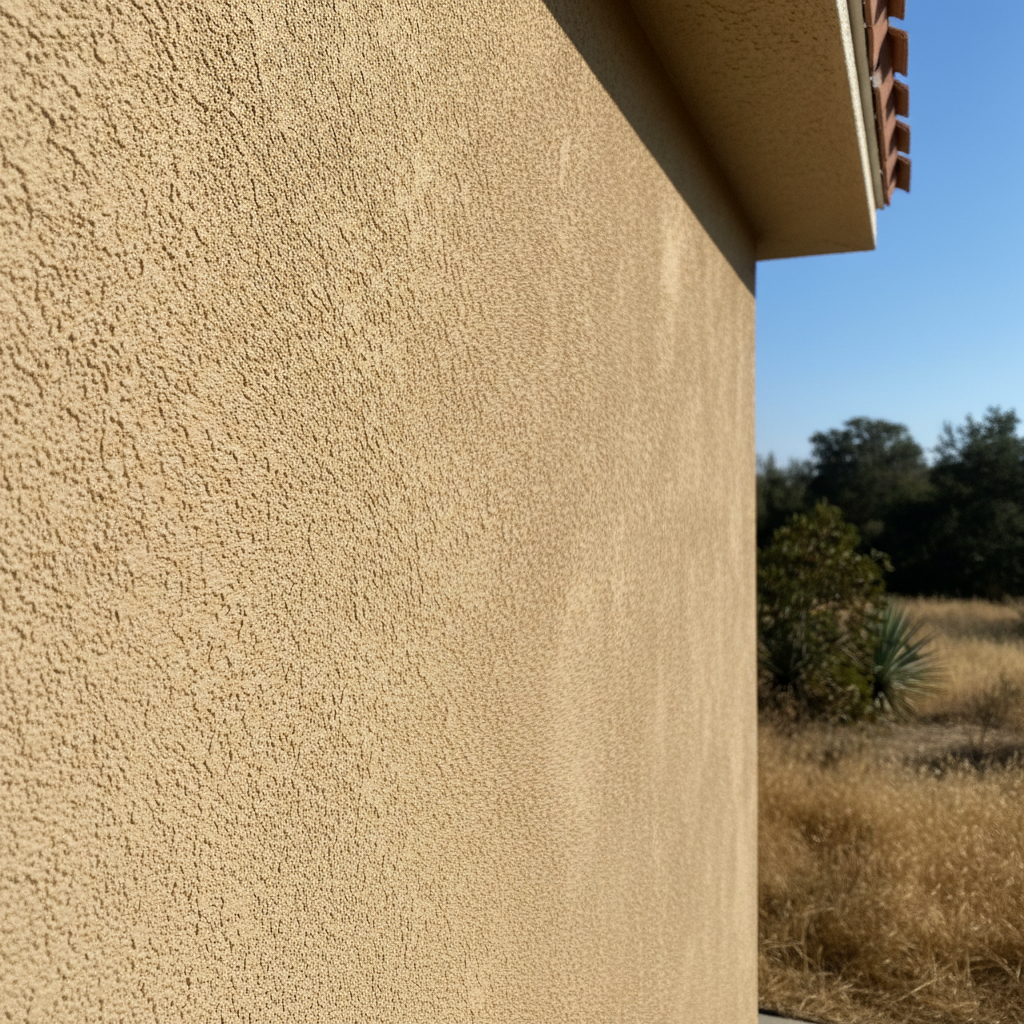
What exactly is stucco redashing, and why would I need it?
Alright, let's just get this straight from the start. Redashing—you might also hear it called restuccoing or resurfacing—is basically putting a fresh layer of stucco right over your old one. It's not a full tear-off and replacement, which, let's be honest, is a way bigger headache. You'd usually need this if your current stucco is looking a bit worn out, maybe it's got a bunch of tiny hairline cracks, some minor dings, or if you just want to give your home a new look without tearing off all the siding. It's a fantastic way to spruce up your curb appeal and protect your place without the huge cost and mess of starting from scratch. Think of it like giving your house a really good facelift, you know?
Can I just redash over any old stucco, or are there times it won't work?
That's a super important question, and the short answer is no, you can't just slap new stucco on top of anything. The stucco that's already there has to be structurally sound. If it's got widespread delamination—that's when the stucco starts pulling away from the wall—or big cracks that go deep, or if there's a lot of water damage and rot underneath, then redashing isn't going to fix it. You'd just be covering up bigger problems that will definitely come back to bite you, and probably sooner than you think. I've seen folks try to cut corners, and it always, always ends up costing more down the road. We always do a really thorough inspection first to make sure your existing stucco is actually a good candidate. If it's not, we'll tell you straight up what the real issue is and what your options are.
What's the process like for redashing? How long does it usually take?
The whole thing usually kicks off with a good cleaning of the existing surface. We'll power wash it to get rid of dirt, grime, and any loose paint hanging around. Then, we take care of any minor cracks or small repairs. After that, we put down a bonding agent to make sure the new stucco sticks properly. This step is absolutely crucial, especially with our Chico weather—you know, those hot, dry summers followed by wet winters. You really don't want your new stucco peeling off because someone skipped this part. Then comes the new stucco layer itself – usually one or two coats, depending on the finish you want and how the old surface looks. We'll match whatever texture you're after, whether that's a smooth finish, a Santa Barbara, or something else entirely. As for how long it takes, that really depends on your home's size and how complicated the job is. But for an average-sized house, once we actually start applying the stucco, you're usually looking at anywhere from a few days to a week or two. Drying times are a huge factor, and you just can't rush that.
Will redashing change the insulation or energy efficiency of my home?
It's not going to drastically change your home's insulation value, not like adding new insulation inside your walls would. But it can offer a slight improvement. A fresh layer of stucco adds a little more mass to your home's exterior. This can help with what we call thermal lag – basically, it takes longer for outside temperatures to sneak inside. That can be a small bonus, especially during those scorching Chico summers when you're trying to keep the AC bill from going through the roof. It's not the main reason people redash, but hey, it's a nice little perk. The biggest benefits are usually how it looks and how it protects your home.
What kind of maintenance does redashed stucco need?
Once your stucco is redashed, the upkeep isn't all that different from regular stucco. You'll want to keep an eye out for any new cracks, especially around windows and doors, and make sure your gutters are clean and sending water away from the walls. A good annual rinse with a garden hose can help keep it clean, particularly if you live near a dusty road or have a lot of trees around. If you spot any stubborn dirt or mildew, a mild detergent and a soft brush can usually handle it. The trick is to deal with any issues early. Don't let a small crack turn into a big problem with water getting in. That's how you end up with much bigger repair bills later on.
What are the common mistakes homeowners make when considering redashing?
Oh, I've seen a few. A big one is not getting a proper assessment of the stucco that's already there. Like I said, if there are problems underneath, redashing is just a temporary fix. Another mistake is only looking at the lowest bid. Quality materials and experienced craftsmanship make a huge difference in how long your redashed stucco will last and how good it'll look. Cutting corners on the bonding agent or the quality of the stucco mix? That's just asking for trouble. Also, not thinking about our long-term weather patterns here in Chico – the intense sun, the occasional heavy rains – can cause issues if you don't use the right products and techniques. Here at Chico Stucco & Plastering, we make sure we're using materials that can truly stand up to our local climate. Finally, not thoroughly discussing the finish and color you want with your contractor can lead to disappointment. You really need to make sure you're both on the same page before any work even starts.