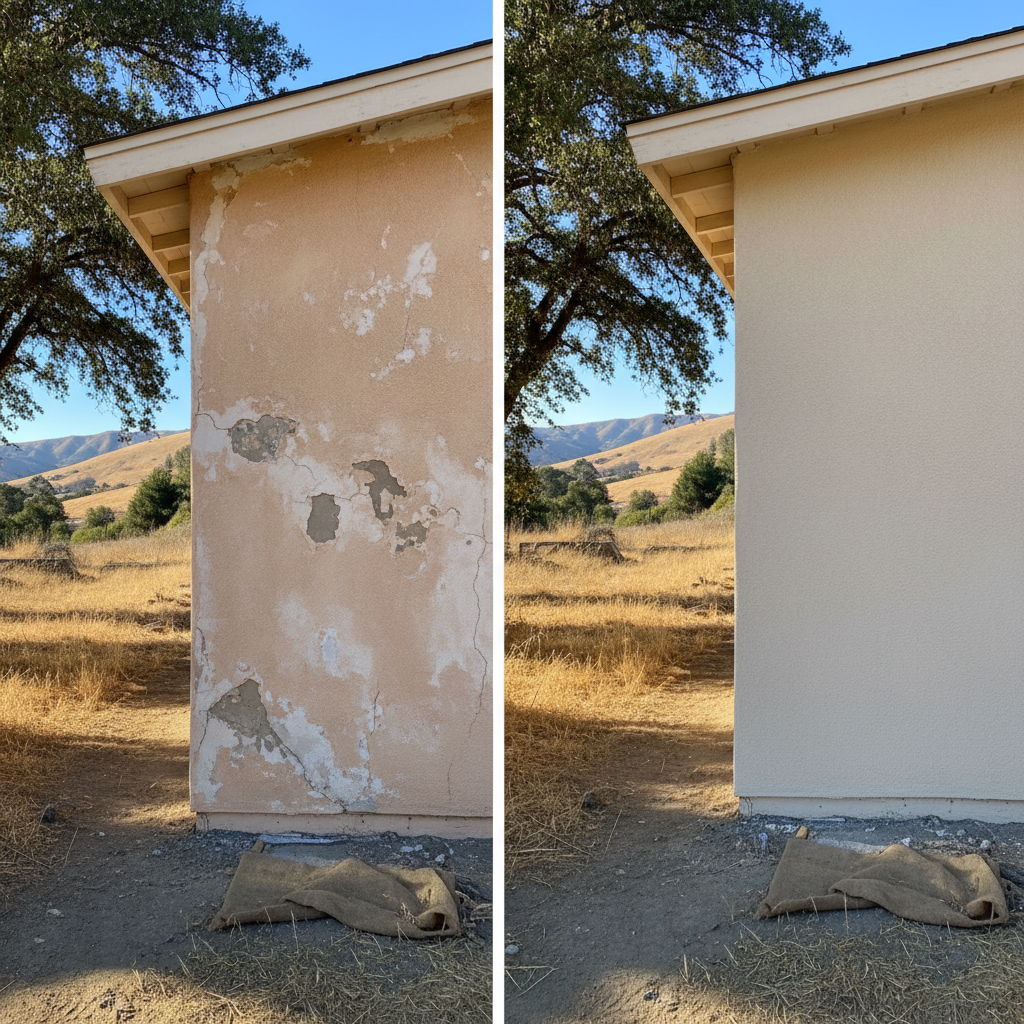
Alright, Chico homeowners, let's talk stucco. Eventually, every home exterior needs some love, and if your stucco is cracking, bulging, or just looking plain tired, you're probably weighing your options. When it comes to a full stucco replacement, there are two main routes: a complete tear-off or putting new stucco right over the old stuff, what we call overcladding. Both have their place, definitely, but one usually comes out on top, especially here in our neck of the woods.
Full Stucco Tear-Off: The Fresh Start
This is exactly what it sounds like. We strip everything down, taking off all the old stucco right to the original sheathing and building paper. It's a big job, no doubt, but it's often the best approach. Think of it like this: if you've got a leaky roof, you don't just put new shingles over rotten wood, right? Same idea here.
Cost
No sugarcoating it, a full tear-off is usually the more expensive option upfront. You're paying for more labor to remove and haul away all that old material, plus the cost of new lath, new building paper, and the new stucco system itself. For a typical house, this can run you anywhere from $8,000 to $14,000 or more, depending on the size and complexity of your home. If we find hidden issues like dry rot or termite damage underneath (which happens more often than you'd think), that'll add to the bill. But addressing those problems is crucial.
Durability
This is where the tear-off really shines. You're getting a complete fresh start, a brand-new, properly installed system from the ground up. We get to inspect the sheathing, framing, and all the flashing around your windows and doors. This means we can fix any underlying problems and ensure everything meets current building codes, giving you maximum durability. A properly installed three-coat stucco system, which is what we typically recommend after a tear-off, can easily last 50 to 70 years, especially with our hot, dry Chico summers and wet winters.
Maintenance
Once it's done right, maintenance is straightforward. You'll want to keep it clean and address any hairline cracks promptly, just like any stucco. But because it's a new system, you're starting with a clean slate, so initial maintenance is minimal.
Appearance
Flawless. You get a perfectly smooth, consistent finish, exactly to your specifications. No ghosting or unevenness from old layers trying to peek through.
Stucco Overcladding: The Quicker Fix
Overcladding, sometimes called re-stucco or resurfacing, means we prepare the existing stucco surface, make any necessary repairs to severe cracks, and then apply a new layer of stucco directly over the old one. Sometimes it's just a new finish coat; other times, it's a full new base coat and finish coat.
Cost
Generally, overcladding is less expensive upfront than a full tear-off. You save on demolition and disposal costs, and it takes less labor. If your existing stucco is in good shape and only needs cosmetic updates, this can be a more budget-friendly option.
Durability
This is where it gets tricky. If the underlying stucco is truly sound, with only cosmetic issues, an overclad can extend its life. However, the new stucco is only as good as what it's attached to. If there's hidden water damage, structural issues, or widespread delamination that isn't addressed, an overclad is just a temporary fix, like putting a band-aid on a bigger problem. The extra weight of the new layer can also be a concern for the existing structure.
Maintenance
Similar to new stucco, but you have to be extra vigilant. If those underlying issues weren't fully resolved, they can sometimes telegraph through the new layer over time, leading to new cracks or problems sooner than you'd expect.
Appearance
It can look great initially. However, if the original stucco had significant texture or unevenness, sometimes you can get 'ghosting' where the old pattern subtly shows through the new layer. Plus, you're adding thickness to your walls, which can sometimes impact window and door trim, making them appear recessed.
My Recommendation for Chico Homes
Here in Chico, we deal with some pretty intense weather. Our summers are long, hot, and dry, with temperatures often hitting the triple digits. Then we get into wet, cooler winters. This constant expansion and contraction, along with the occasional heavy rain, puts a lot of stress on home exteriors. We also have areas with expansive clay soils, like those found on the east side of town near the foothills, which can contribute to foundation movement and, consequently, stucco cracking.
Because of these conditions, and the potential for hidden moisture damage that can worsen over time, I almost always recommend a full stucco tear-off. It's the only way to truly get a look at what's going on behind the walls and ensure your home is protected for the long haul. You want to make sure your weather barrier is completely sound, which is crucial for protecting your home from moisture. An overclad might save you some money now, but if you're just covering up a problem, you'll pay for it later, often with more extensive and expensive repairs down the road.
Now, if your stucco is relatively new, has no signs of water intrusion, and just needs a cosmetic refresh, an overclad might be an option. But even then, I'd want to do a very thorough inspection to make sure we're not missing anything. It's also worth noting that for any significant stucco work, especially a full tear-off, you'll need a building permit from the City of Chico. This ensures the work is done to code and protects your investment.
Don't just assume the cheapest option is the best. Invest in doing it right the first time, and your home will thank you for decades to come. Give Chico Stucco & Plastering a call, and we can come out, take a look, and give you an honest assessment of what your home really needs.